2024
Completed
Bachelor of Science in Medical Biology
De La Salle University, Dasmariñas
College of Science
 College of
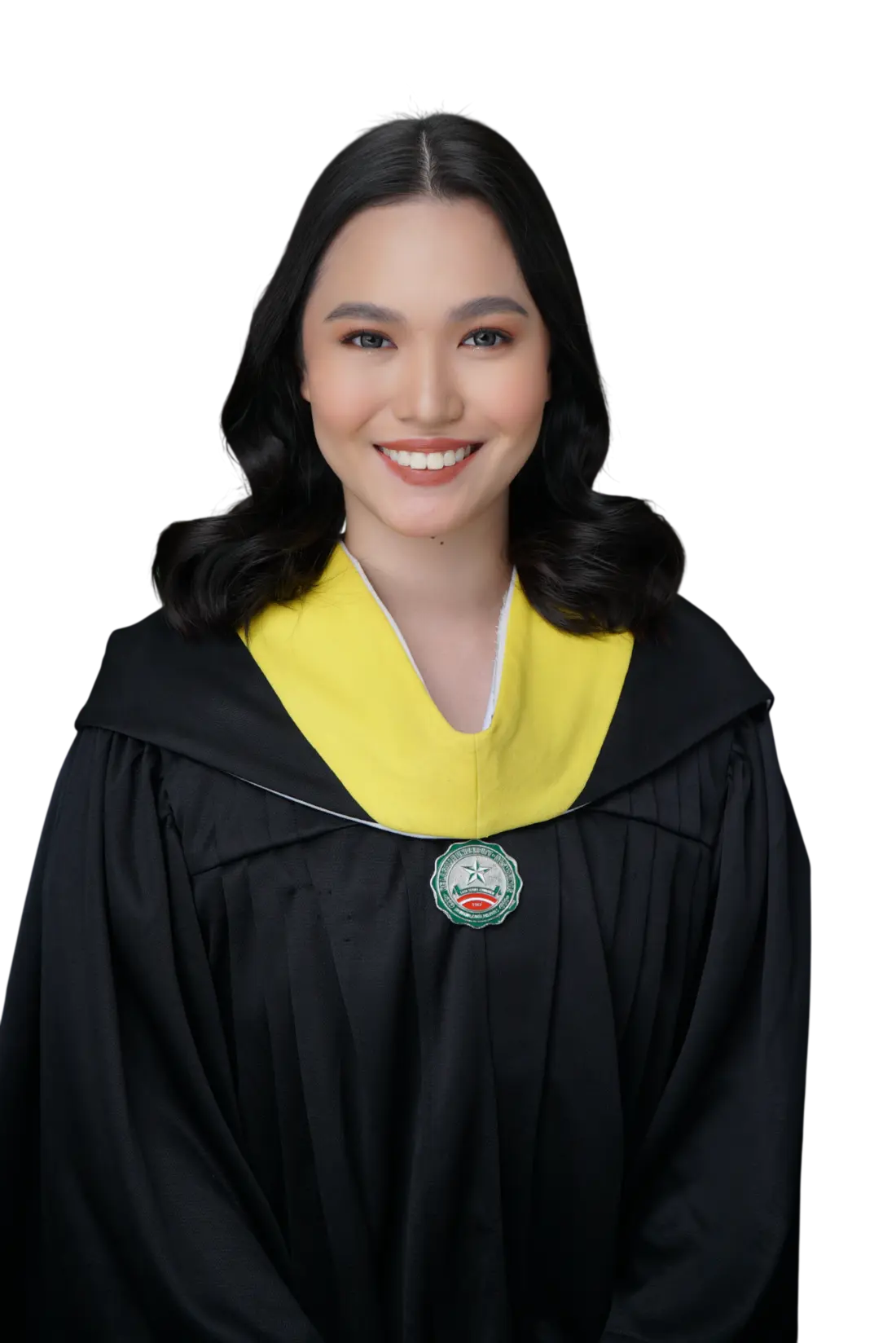
From runway discipline to the science of medicine.
Forensic pathology and meaningful community service.
I am learning to carry every lesson forward
Profile
Caloocan · Cavite · Manila
I was born and raised in Caloocan City and moved to Cavite when I was thirteen.
I began working as a fashion model in 2019 and joined multiple runway shows through 2026. I completed my Bachelor of Science in Medical Biology in 2024, then entered medical school in 2026.
These paths may look different, but both have taught me how to prepare with discipline, adapt under pressure, and keep growing beyond what feels familiar.
“A diverse background can become a strength in the making of a physician.”
Education
2024
De La Salle University, Dasmariñas
College of Science
2026
Manila Central University
College of Medicine
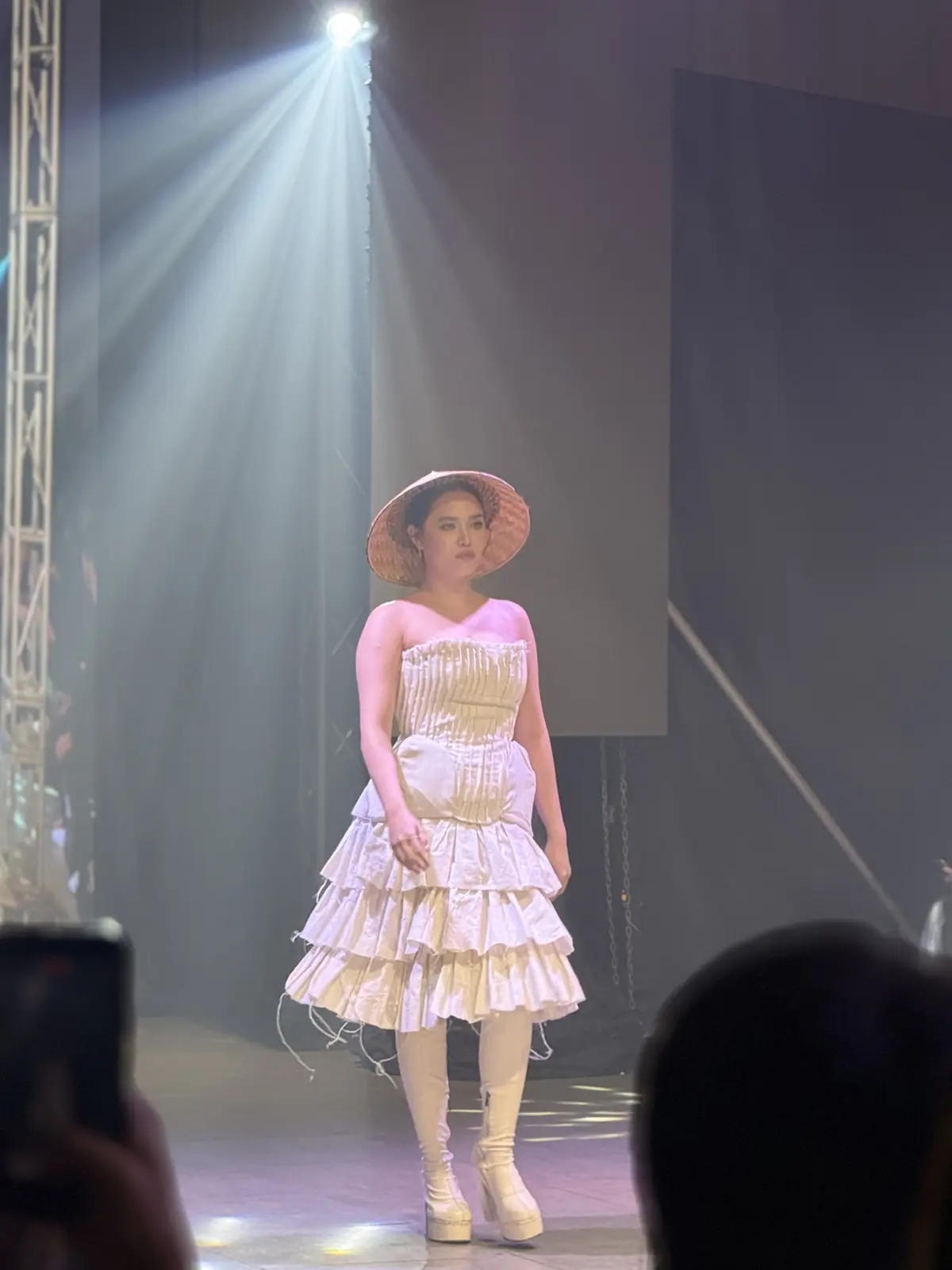
2019 to 2026 Fashion model and runway participant
Experience
MTP Productions
Teaching runway skills strengthened my patience. It taught me to guide others one lesson at a time and never judge anyone by their starting point.
DLSUD College of Science, CSCS-SG
For one year, I helped develop creative materials that supported student activities and communication.
Six months
The experience developed my consistency, customer awareness, and ability to work responsibly in a fast-moving environment.
Learning journey
Biochemistry · Two terms, one journey
YOUR NEXT CHAPTER STARTS HERE
Biochemistry & Medicine
I began by discovering the essential relationship between normal biochemical processes and the molecular basis of disease. This chapter helped me understand that medicine depends on knowing how life functions at the cellular level, because even the smallest molecular change can shape a person's health.
cells · health · diseaseWater & pH
I learned that water is far more than a basic necessity. As the body's universal biological solvent, it supports countless reactions, while hydrogen bonding, buffer systems, and precise pH regulation protect cells from physiological disruption and help preserve a stable internal environment.
H₂O · buffers · homeostasisAmino Acids & Peptides
Studying the standard amino acids introduced me to their structural diversity and physicochemical properties. I began to appreciate how these versatile building blocks combine into peptides and proteins, allowing cells to create the wide range of structures and functions needed for life.
R groups · peptides · possibilityProteins: Determination of Primary Structure
I explored how the exact order of amino acids forms a polypeptide's primary structure. Learning about the laboratory methods used to sequence and map protein backbones showed me how carefully gathered molecular evidence can reveal the identity and possible behavior of a protein.
sequence · mapping · evidenceProteins: Higher Orders of Structure
This lesson brought me from sequence to form. I studied the forces that stabilize secondary, tertiary, and quaternary structures, and I learned why a protein's three-dimensional conformation is inseparable from its biological function. Structure is not merely appearance; it is part of the mechanism.
folding · conformation · functionMechanism of Action & Kinetics
I connected catalytic principles with the way enzymes lower activation energy and accelerate metabolic reactions. Michaelis-Menten kinetics and allosteric regulation helped me see how the body controls reaction rates with remarkable precision to maintain metabolic balance.
activation energy · kinetics · regulation
Ten chapters. A little humor. A deeper understanding of the chemistry that keeps us going.
I used to think ATP was just a letter combination I'd see on exams. Now I know it is the cell's money, and my body spends it faster than I spend my allowance. The small ATP pool is constantly being regenerated, so my cells live paycheck to paycheck. That's relatable. I learned that energy-requiring reactions can happen when they're coupled to reactions that release enough energy. I found that comforting: even my cells need a partner to get through the hard parts. As a future doctor, I now see that every heartbeat and every thought my patients have runs on this tiny molecule.
“Oxidation is loss, reduction is gain.” This is the one chapter where losing something is a good thing. I met a whole cast of enzymes: oxidases, dehydrogenases, hydroperoxidases and oxygenases. Honestly, it felt like memorizing the members of a K-pop group. The part that stayed with me is that oxygen keeps us alive but its reactive derivatives can also hurt us. Superoxide dismutase and catalase work constantly to protect us from them. I also learned that cytochrome P450 helps determine how many drugs are metabolized in the body. Future me, the one writing prescriptions, will remember this.
This chapter made me appreciate my mitochondria more than my own sleep schedule. Electrons get passed from complex to complex, protons get pumped across the inner mitochondrial membrane, and then they rush back through ATP synthase, which spins like a tiny turbine. I didn't expect a cell to have a working motor, but here we are. The poisons part was sobering: cyanide and carbon monoxide can inhibit the respiratory chain. That reminded me that knowing the mechanism matters when a patient's life depends on recognizing it quickly. I left this chapter amazed, slightly overwhelmed, and asking myself, “Complex II, why don't you pump protons?”
This chapter was the big-picture map, the Google Maps of biochemistry. I learned that the body works in two modes: fed mode, where insulin says “store everything,” and fasting mode, where glucagon says “use the savings.” Red blood cells depend on glucose, and the brain mainly uses glucose but can use more ketone bodies during prolonged fasting. I related to being a picky eater more than I'd like to admit. Seeing how diabetes throws this balance off made the clinical side of biochemistry feel real. My main takeaway is that metabolism isn't a set of separate pathways. It's one connected system, a lot like the human body itself.
I never thought I'd spend so much time studying sugar without actually eating any. Aldohexoses have 16 stereoisomers, and glucose has D and L forms and α and β anomers. Sugar has more identities than I do. “Man 2, Gal 4” is now permanently stored in my brain right next to my ATM PIN. What surprised me most is that whether we can digest a carbohydrate depends on its structure and the enzymes we have: starch yes, cellulose no. These structural details help explain fiber, lactose intolerance and even certain lab tests. Small structures, big consequences, much like medicine.
“Citrate Is Krebs' Starting Substrate For Making Oxaloacetate.” I've said this mnemonic so many times that my roommate probably knows the citric acid cycle by now. This chapter showed me that the Krebs cycle isn't just a circle to memorize. It's the meeting point for carbohydrates, fats and proteins. It both breaks things down and supplies intermediates for building things up, so it's a multitasker, unlike me during exam week. Learning how high ammonia from liver disease can contribute to encephalopathy and coma helped me see biochemistry as something that explains real patients, not just exam questions.
Glycolysis taught me that even without oxygen, cells still find a way, much like me running on two hours of sleep. Ten steps, three that can't readily be reversed, and a net of 2 ATP per glucose from glycolysis itself: it's the budget version of making energy. I was struck by how one missing vitamin, thiamin, can contribute to dangerous lactic acidosis, especially in people with alcohol use disorder. I also now know why some blood glucose tubes contain fluoride to inhibit glycolysis, which my future intern self will appreciate. Glycolysis is ancient, essential, and I respect that.
Glycogen is the body's savings account, and this chapter was a lesson in budgeting. Insulin says deposit, glucagon tells the liver to withdraw, and cAMP helps relay the withdrawal signal. The glycogen storage diseases were the hardest part. Von Gierke, Pompe, Cori, Andersen, McArdle and Tarui sounded like a law firm at first. Behind each name is a child or a patient whose life changes because of one missing enzyme. That reminded me to see the patient behind every disease I memorize. My mnemonic got me through the list, and empathy will get me through the practice.
Gluconeogenesis is the liver saying, “No glucose? No problem, I'll make my own.” It shares reversible reactions with glycolysis, but uses four enzymes to bypass three steps that only go one way. It reminded me of my commute. I now understand how tightly the body regulates blood sugar, and how much work insulin and glucagon do every single day. The glucose tolerance test and the diabetes discussions made this chapter feel very close to clinical practice. I came away with deeper respect for the liver and a strong urge to check my own blood sugar.
This chapter proved that not every pathway is about ATP. Some, like the pentose phosphate pathway, are quietly making NADPH and ribose behind the scenes, the unsung heroes of the cell. Learning that G6PD deficiency plus a plate of fava beans can trigger hemolytic anemia was both fascinating and slightly terrifying. Fructose, galactose and sorbitol each had their own disease drama, and now I think twice about my milk tea. My biggest lesson is that small enzyme defects can have life-changing effects, so careful history-taking and diet advice really matter in medicine.
Small Group Discussion
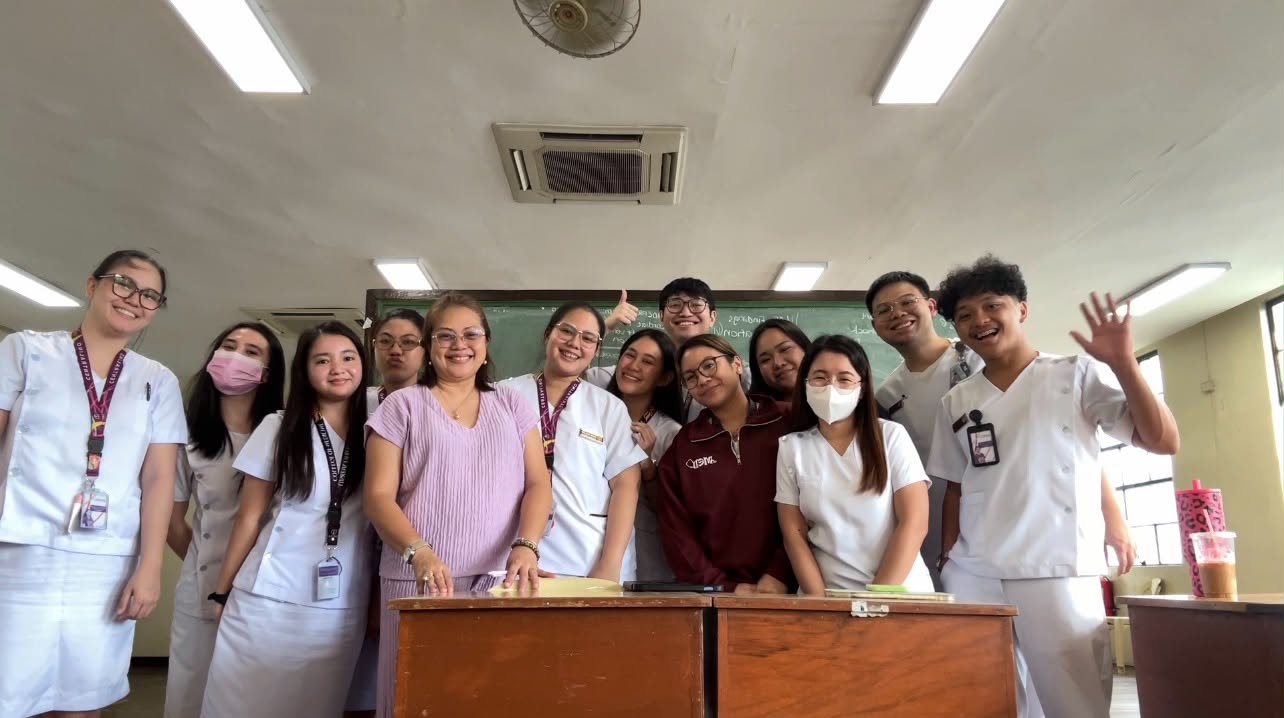
The Small Group Discussions showed me that every patient conversation begins with careful attention. Before reaching a conclusion, I must first listen to what the patient feels, thinks, and chooses to share.
Each discussion carries a learning curve. Biochemistry helps me connect a patient's experience with the processes occurring inside the body, turning separate details into a clearer clinical picture.
Regardless of what a patient feels or believes, our purpose remains the same: to understand their needs and help them move toward better health with respect and compassion.
2021
2022
2023
De La Salle University, Dasmariñas
College of Science
A reflection carried across both terms
I may not have everything figured out yet, but I am proud of myself for continuing to show up and try. I have faced many challenges, and I am learning that failure does not define me.
I will keep moving forward one step at a time, trusting that every experience will eventually find its place in the physician I am becoming.
Working toward the MD and a future dedicated to giving back to the community.
07 · Contact